
Mastering Guitar Pick Grip: Techniques, Tools, and Pro Tips for Every Player

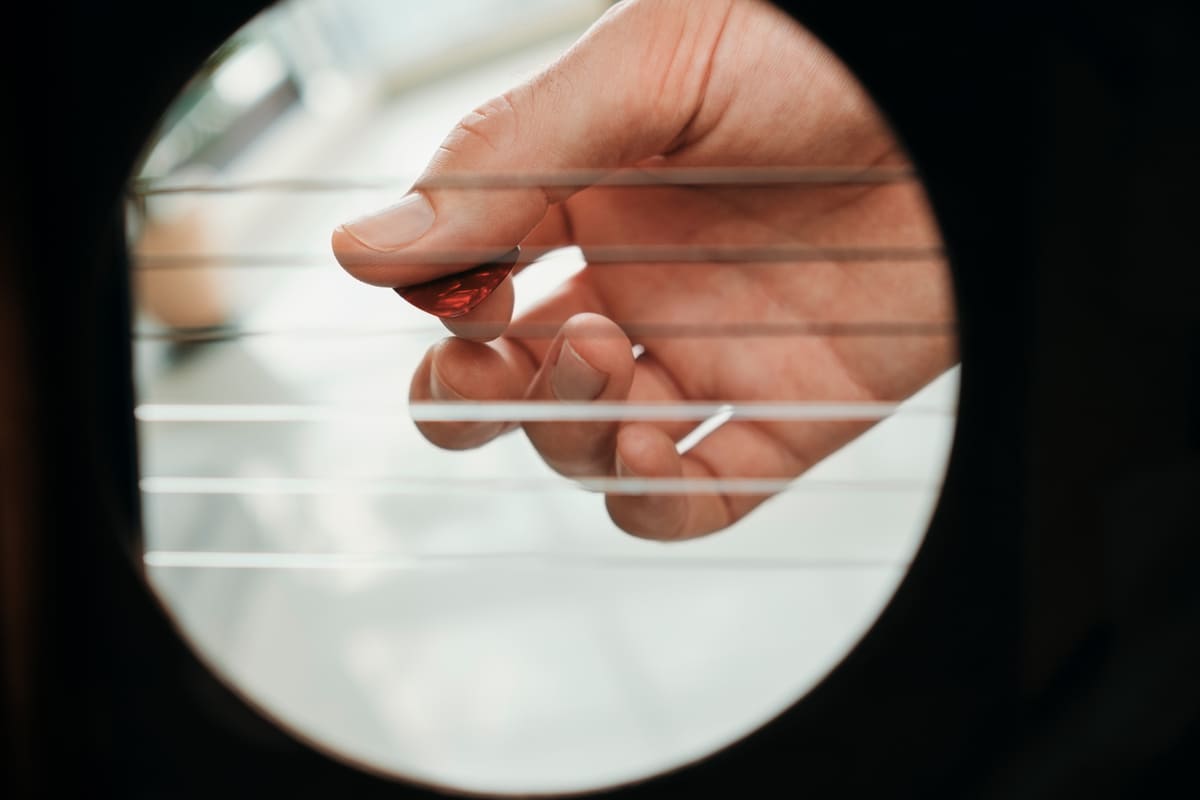
Mastering Guitar Pick Grip
Mastering your guitar pick grip is not just about how to hold a plectrum (pick); it’s about unlocking your tone, boosting your speed, and keeping your hands working right through long guitar sessions. Let’s explore the best guitar picks for grip and accessories to enhance it.
Why Grip Matters
Your guitar pick grip helps you play crisp tones, lightning-fast runs and can help reduce pain. Good pick grip will help with:
- Tone: A solid grip delivers clear, punchy notes—no mushy strums or weak techniques.
- Speed: The right hold lets you fly across the strings with precision and ease.
- Comfort: Alleviate muscle cramps and enhance endurance for extended performance.
The Basics: How to Grip a Guitar Pick
Searching for ’how to hold pick of guitar?’ Follow these five steps:
- Choose your pick: Start with a standard plastic or nylon pick, medium thickness (around 0.73mm).
- Position it: Lay the pick flat on the side of your index finger, near the first knuckle (closest to the tip). The broad side should rest against your skin.
- Thumb it: Place your thumb on top; like holding a key. The tip of the pick should point toward you, and toward the strings when the guitar is in place.
- Let about 1/4 to 1/3 of the pick stick out past your fingers.
- Angle it: Tilt the pick slightly; at about a 45 degree angle to the line of the strings, so it glides over the strings.

Common Mistakes (and Fixes)
Check your grip often for these mistakes and adjust.
- Gripping too hard: If your hand feels like a claw, you’re overdoing it.
- Slipping pick: Shift your fingers slightly or use a textured pick.
- Flat attack: If the pick’s parallel to the strings, it drags. Tilt the pick angle in relation the line of the strings.
Advanced Pick Grip Techniques
Your guitar pick grip isn’t static; it shifts with the music.
- Strumming (folk, acoustic): Keep it loose and fluid.
- Lead (rock, blues): Tighten up a bit for controlling bends and quick licks.
- Metal: Angle the pick downward for an aggressive, biting tone on down strokes.
Tips for Left-Handed Players
If you’re a lefty, mirror the standard grip: thumb on top, index below. Left-handed guitars flip everything; but the approximate 45 degree angle to the line of the strings and impact of pressure remain the same.
Preventing Pick Slippage: Solutions & Products
Try these non-slip options:
- Non-slip guitar picks: Picks like Dunlop Max Grip have textured surfaces that cling to your fingers. Try guitar picks with grips; these little rubber pieces go halfway down the pick.
- Grip aids: Try Gorilla Snot; a dab on your fingers improves your grip.
- DIY tricks: Punch a hole in your pick with a hole puncher, or sand the grip surfaces lightly.
Pick Recommendations
Ideally, easy grip guitar picks should be sticky, durable, and sweat-proof.
- Tortex: Matte finish, reliable hold. See our collection of Dunlop Tortex Guitar Picks.
- Nylon: Flexible with natural grip, but they wear out quicker. Check out Snarling Dog Brain.
- Everly Star Guitar Picks: Classic teardrop with star cutout; steady grip, vibrant look.
Ergonomics & Hand Anatomy
Hand size, finger length, and strength all shape how you hold your pick:
- Small hands: Thin picks (0.60mm) are easier to manage.
- Long fingers: Bigger picks (like triangles) give you more surface to grip.
- Ease off the pressure; a light hold saves energy and reduces fatigue.
Injury Prevention Tips
- Stretch: Warm up with wrist rolls and finger spreads.
- Rest: Take a 5-minute break every half-hour.
- Relax: A loose grip prevents wrist pain and cramps.
Got arthritis or carpal tunnel? Use a thicker pick (1.0mm+) and soften your grip to reduce strain. Look for easy grip guitar picks with rounded edges. Consider the “arthritis” specific picks from Cling Pro Picks.
Practice Drills to Improve Your Grip
Daily drills to sharpen your grip and build muscle memory:
- Alternate picking: Up-down on one string, 3 – 5 minutes.
- String skips: Jump between strings—E to G, A to B, etc.
- Rhythm mix: Strum patterns like down-down-up or up-down-up etc.
Bonus Exercise
Play a simple progression—G, C, D—and focus on your pick angle. Ask yourself:
- Is my grip relaxed?
- Does the pick stay put at speed?
- Am I hitting the strings cleanly?
- Am I hitting the strings evenly so they have the same volume?
Pick Shapes, Textures & Materials
Picks come in dozens of forms, and each affects your grip and sound:
- Shapes:
- Teardrop: Pinpoint control for solos.
- Triangle: Three edges, great for rhythm.
- Jazz III: Small, fast—lead player’s dream.
- Textures:
- Smooth: Slippery but classic—less ideal for sweaty hands.
- Rough: Sticky and reliable—sweaty players’ pick.
- Materials:
- Plastic: Basic, affordable, prone to slips.
- Tortex: Grippy, durable, crowd-pleaser.
- Nylon: Flexy, decent grip for many players.
- Gravity: Premium grip, pro-level feel.
Pick Comparison Table
| SHAPE | TEXTURE | MATERIAL | BEST FOR |
| Teardrop | Smooth | Plastic | Rhythm & Lead |
| Triangle | Rough | Tortex | Rhythm, Bass, Blues, Jazz |
| Jazz III | Textured | Nylon | Lead & Speed; Rock, Blues, Metal |
Strings by Mail Offers the Right Guitar Pick for You
Mastering your guitar pick grip is essential for enhancing your playing experience. It’s unique to you, impactful, and you control it. Gather a variety of picks, apply these techniques, and adjust until it feels right.
If you’re looking for new picks to try, you can easily order them from Strings by Mail. In our pick collection you’ll find dozens of brands and types, including textured picks, feather picks, finger picks, and pick holders.
Shop Strings by Mail for guitar picks that fit your style. Experiment and enjoy guitar picks from our huge selection.
FAQs on Mastering Guitar Pick Grip
1) What is the best way to grip a guitar pick?
Hold the guitar pick firmly between thumb and index finger for optimal control and precision.
2) How do I stop my guitar pick from slipping?
Use textured guitar picks or slightly increase grip strength to prevent slipping during play.
3) Does pick shape or material affect grip?
Pointed pick shapes can give a more powerful attack, while rounded pick shapes can allow a faster smoother attack, and materials like nylon improve grip for better control.
4) How tight should I hold my guitar pick?
Hold the guitar pick firmly to prevent slipping while maintaining flexibility for smooth, controlled strumming.
5) Are there picks designed for better grip?
Yes, some have textures, coatings, or indentations for grip.
6) What’s the best pick grip for fast playing?
Use a firmer grip, holding closer to the tip, which is essential for speed.
7) How can left-handed guitarists improve their pick grip?
Mirror right-handed guitar pick grip, adjust for comfort and control with regular practice.